

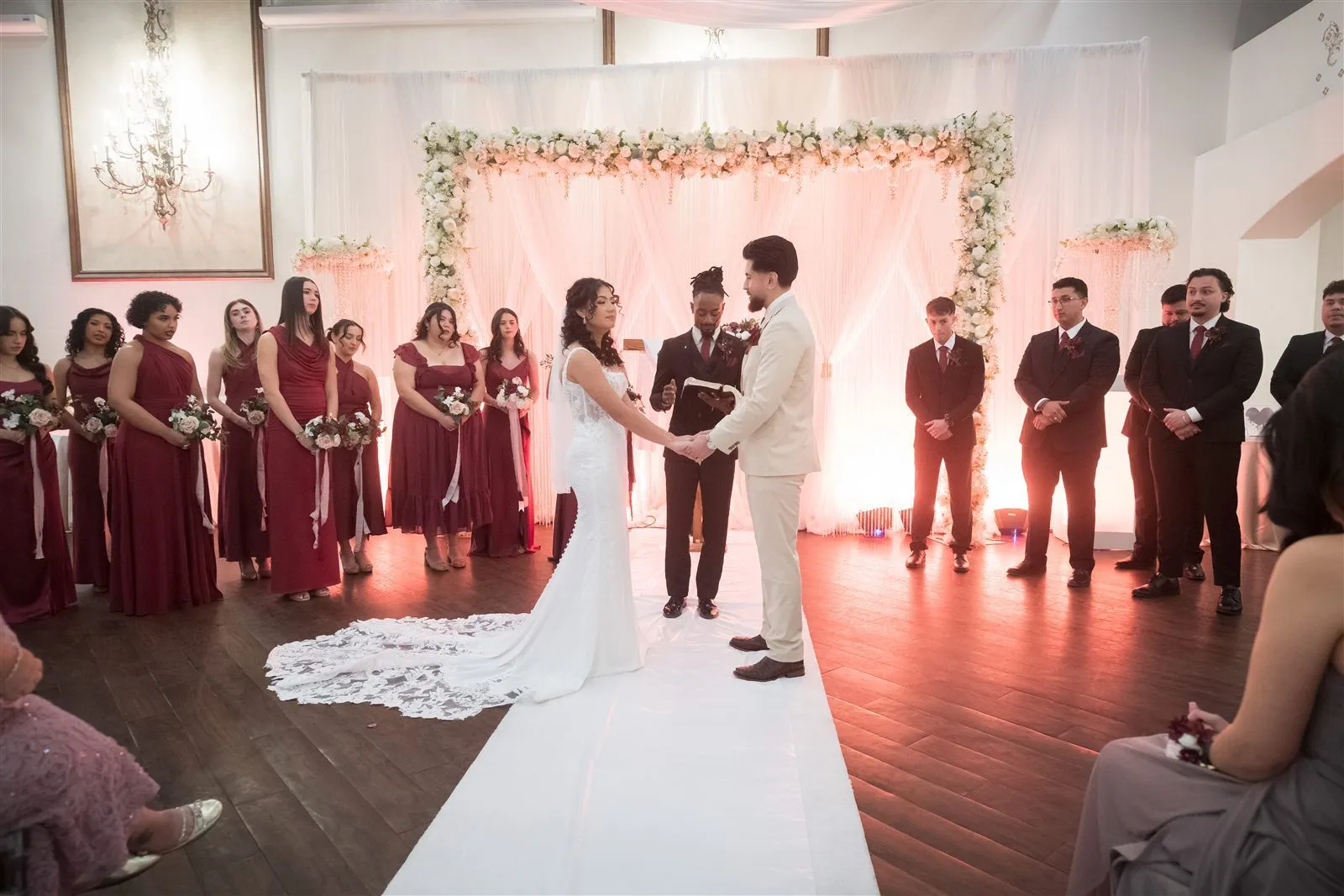
Not every couple dreams of a wedding that lasts from morning until midnight. Some prefer exchanging vows surrounded by their closest family members, while others envision a lively reception with dinner, dancing, and entertainment. Both approaches can create meaningful memories, but they require different levels of planning.
In Houston, couples exploring small wedding venues Houston may discover that a ceremony-focused celebration offers a practical alternative to a traditional wedding reception. Understanding the differences can help couples choose an experience that reflects their priorities rather than following expectations that do not suit them.
Understanding the Ceremony-Only Approach
A ceremony-only wedding concentrates on the exchange of vows and the moments immediately surrounding it. Instead of organizing a lengthy reception, couples reserve a shorter period for the ceremony, photographs, and limited hospitality.
This format may appeal to couples planning a second marriage, celebrating with a small guest list, or preferring a more intimate atmosphere. It also allows greater attention to the ceremony itself.
However, a shorter event still requires coordination. Seating, officiant arrangements, music, and guest arrival times should be considered before finalizing the schedule.
Deciding Which Experience Matters Most
The right celebration format depends on how couples want to spend time with their guests. Some value quiet conversations and meaningful vows, while others want an evening filled with family traditions and entertainment. Before choosing a package, couples should discuss their expectations honestly. A small ceremony may feel complete to one partner but incomplete to another who has always imagined a formal reception.
The decision should also consider family traditions, travel requirements, and whether guests expect additional activities after the ceremony.
Planning a Short Wedding Ceremony
A shorter celebration benefits from clear organization because there is less time to accommodate unexpected delays. Couples should establish a realistic timeline before sending invitations.
Important considerations include:
-
Confirming the ceremony’s starting and ending times.
-
Arranging an officiant and required legal documentation.
-
Coordinating guest arrival and seating.
-
Selecting appropriate ceremony music.
-
Planning photography around the available time.
-
Confirming what refreshments the venue provides.
These details can prevent confusion without making the event unnecessarily complicated.
Guests should know whether they are attending a ceremony only or a celebration that includes dinner and entertainment.
Exploring Ceremony Package Inclusions
A ceremony package may provide the essential setting without requiring couples to organize a complete reception. However, the specific inclusions differ between venues. Pelazzio’s Micro Ceremony Package, for example, is designed for celebrations of up to 50 guests. Its published information describes a two-hour ceremony window, ballroom access, ceremony seating, passed appetizers, nonalcoholic refreshments, and event support.
The package does not include a full wedding reception or dinner service. Couples should confirm current availability, pricing, and optional additions before booking. Understanding this distinction helps avoid assuming that a shorter ceremony package includes services intended for a longer celebration.
When a Full Reception Makes Sense
A traditional wedding reception offers more time for guests to socialize, enjoy a meal, and participate in activities such as speeches and dancing.
Couples researching wedding receptions houston tx can explore event spaces that accommodate different celebration sizes and entertainment arrangements.
A full reception may be preferable when families want to include cultural traditions, formal dining, or several hours of entertainment.
However, a longer event typically requires more scheduling decisions. Catering, vendor coordination, entertainment, and reception timing should be organized carefully to keep the experience enjoyable.
Considering Guests and Family Expectations
Guest expectations can influence the decision, particularly when relatives are traveling long distances. Some couples may prefer offering a longer celebration to spend additional time with visiting family members. Others may arrange a ceremony followed by an informal gathering at another location. This approach can provide flexibility, although it requires clear communication about transportation and timing.
Neither format is automatically more meaningful. The important consideration is whether guests understand the arrangements and can participate comfortably.
Invitations should clearly explain the celebration format to prevent confusion about meals, entertainment, or the event’s duration.
Making the Celebration Feel Personal
A short ceremony can still include meaningful details. Personalized vows, carefully selected music, family photographs, and simple floral arrangements can create a memorable experience. Likewise, a full reception does not need elaborate decorations or continuous entertainment to feel special.
Couples should identify the traditions and activities they genuinely value. Prioritizing those elements can make either format feel authentic. The most memorable celebrations often reflect the couple’s relationship rather than the number of services included.
Conclusion
Choosing between a ceremony-only wedding and a full reception depends on personal priorities, guest expectations, and the desired celebration experience. Both formats can create meaningful memories when the arrangements are thoughtful and clearly communicated.
For couples exploring wedding options in Houston, pelazzio.com provides information about ceremony packages, ballroom facilities, and reception services. Reviewing the available arrangements can help couples select a celebration that feels comfortable, personal, and appropriate for their plans.